
Fender has a rich legacy of creating iconic guitars, and their acoustic line is no different. While the Stratocasters and Telecasters often steal the limelight, there’s something utterly captivating about the quieter charm of their acoustic range. The Fender F-35 is one of those hidden gems that quietly made its mark.
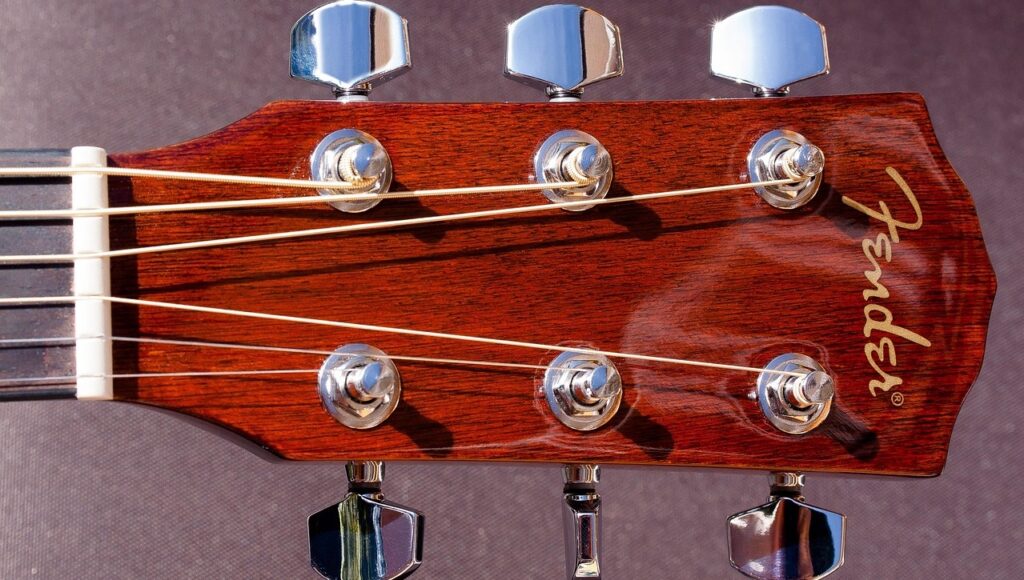
The Fender F-35 acoustic guitar made its debut in the 1970s. This was a time when acoustic guitars were evolving, catering to a new wave of musicians looking for warmth and versatility in their sound. Fender introduced this model and it quickly grabbed attention, thanks to its unique combination of craftsmanship and affordability.
But why was this model significant? It was because Fender was exploring new territories with their acoustics, going beyond basics to innovate in terms of design and sound. The F-35 stood out during its launch as part of this experiment, allowing musicians to tap into new creative energies.
Whether you’re a collector or just curious about guitar history, understanding the era a guitar came from can enhance your appreciation for it. Knowing the F-35’s roots in the vibrant 1970s music scene helps uncover the reasons behind its design choices and its enduring appeal among vintage guitar enthusiasts.
Impact of the Fender F-35 on the Music Scene
The Fender F-35 didn’t just join the acoustic guitar market quietly; it made a splash. Musicians, both budding and experienced, found something special in this model that resonated with the evolving soundscapes of the 1970s. The F-35 was more than just a tool; it was a companion to songwriting sessions, jam sessions, and live performances.
This guitar brought a fresh perspective to acoustic music. Many artists appreciated its ability to blend well with different music styles – from folk to rock. It was embraced by musicians who wanted a guitar that could deliver a robust sound without being heavy on the wallet, allowing more people to express their creativity. The Fender F-35 offered versatility, quickly becoming a favorite in music circles.
Fender designed the F-35 with a mix of craftsmanship and ingenuity. The guitar featured a sound that was both warm and articulate, making it suitable for both intimate gigs and larger stages. Its introduction encouraged more acoustic experimentation among artists, leading to a shift in how acoustic guitars were perceived in band settings.
The F-35’s contribution went beyond just sound; it influenced how artists crafted their music during that period. It allowed musicians to explore new sonic territories, fostering more creative compositions and performances. This impact was especially significant during the 1970s when artists were looking to blend various music genres.
The F-35 serves as a reminder of the dynamic shifts in music trends. If you’re exploring the history of music or the evolution of acoustic guitars, the F-35 is a prime example of how instruments can drive change and innovation within the music industry.
Unique Features and Craftsmanship of the Fender F-35
The Fender F-35 stands out with its meticulous craftsmanship, a testament to Fender’s dedication during its acoustic foray. While it may share some common traits with other models, it carries unique elements that give it a distinct identity.
One of the hallmarks of the F-35 is the choice of materials. Typically constructed with a spruce top and mahogany back and sides, it provides a warm, resonant sound that appeals to many guitarists. These materials are not only chosen for their superior sound quality but also for durability, ensuring the F-35 ages gracefully.
The playability of the F-35 is a highlight, with a neck designed for comfort and ease. Its fingerboard allows smooth action, making it an excellent choice for both novices and seasoned players. Fender designed this model with user-friendly features without compromising on performance.
When it comes to sound quality, the F-35 doesn’t disappoint. Known for its balanced tone, it accommodates various playing styles, from fingerpicking to robust strumming. This versatility makes it attractive to musicians who appreciate a guitar that can adapt to different genres.
Compared to other Fender guitars, the F-35’s simplicity in design, combined with its high-quality build, makes it a desirable instrument for collectors and players alike. It’s a reminder of an era when Fender aimed to deliver not just guitars, but instruments that could inspire creativity across music genres.
For those fascinated by guitar design and looking to explore acoustic soundscapes, the F-35 provides a perfect blend of aesthetics and function. It’s a model that highlights Fender’s commitment to quality and innovation in the acoustic domain.
Collecting and Valuing the Fender F-35 Today
The allure of vintage guitars never fades, and the Fender F-35 is no exception. Collectors, whether seasoned or new, often find themselves drawn to this piece of musical history. But what’s the current state of the F-35 in today’s market?
Vintage Fender F-35 models have become more than just instruments; they’re cherished artifacts for enthusiasts. Their value has appreciated over the years, largely due to their rarity and the nostalgia associated with them. If you’re considering acquiring one, keep an eye on auctions and collector forums, where these guitars occasionally make appearances.
When evaluating an F-35 for your collection, condition is everything. Original parts and minimal wear significantly enhance the guitar’s worth, so it’s crucial to inspect these aspects when purchasing. An expert valuation can also provide insights into its authenticity and current market value.
For collectors aiming to add an F-35 to their lineup, patience is key. Due to their popularity, these guitars can be elusive. Regularly checking various music and collector sites increases the chance of finding one. It’s also helpful to engage with fellow collectors who might offer leads or verify authenticity.
The Fender F-35’s legacy in music and its collectible status continues to make it a worthwhile investment for those interested in musical treasures. Its place in guitar history as a versatile and artist-friendly instrument endures, encouraging music lovers to appreciate and preserve its legacy for future generations.