
Fender guitars are not just instruments—they’re icons. Since Leo Fender rolled out his first electric guitar back in the 1940s, these solid-body wonders have left an indelible mark on the music world. With their classic designs and unmistakable sound, Fender guitars have found fans among rock legends and bedroom musicians alike.
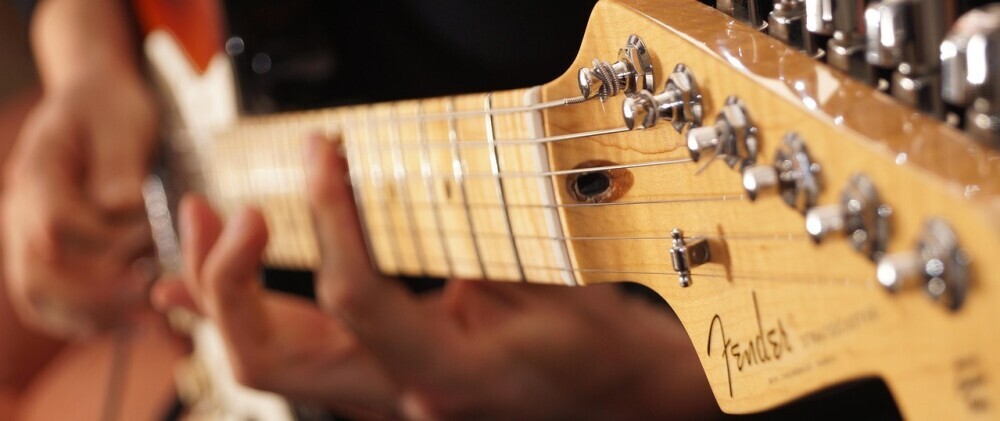
So what makes Fender so special? For starters, it’s a powerhouse brand that has produced groundbreaking models like the Stratocaster and Telecaster. Each one has its own unique voice and a storied past in the hands of some famous musicians.
But Fender’s allure isn’t only about past glories. Collectors and players deeply value vintage models for their craftsmanship and unique sound qualities. Whether it’s the dusty finish of a 1960s Stratocaster or the warm tones of a 1950s Telecaster, these guitars scream character—and people are willing to pay top dollar for it.
Age isn’t the only thing adding charm. Fender’s influence stretches across genres and decades, from early rock and roll through surf rock all the way to the punk movement, showing just how adaptable and cherished these guitars are. Their legacy continues to appeal to both seasoned collectors and novice musicians dreaming of their first gig.
Key Factors in Fender Guitar Appraisal
Determining the value of a Fender guitar is a pretty detailed process. It’s not simply a matter of looking at a price tag or listing price online. There are several key factors to consider, and each plays a crucial role in determining what a guitar is truly worth.
First up, there’s the age and originality of the instrument. Vintage guitars, those crafted during specific periods known for high-quality output, often fetch higher prices. However, this only holds true if the guitar retains its original parts. Replaced pickups or refinished bodies might affect value. Collectors usually look for that perfect combination of age and authenticity.
The condition and craftsmanship of the guitar are equally important. It’s like buying a classic car—provenance matters. Signs of wear and tear can drastically impact value, depending on how they’ve affected the overall sound and playability. Occasionally, certain repairs can enhance value if they maintain or restore functionality without altering integrity.
Rarity of the model can be a goldmine factor in appraisal. Limited edition runs or models that saw fewer releases become collector’s gems, sought for their scarcity. Knowing whether you’re holding a rare gem makes a huge difference in appraisal outcomes.
Last but definitely not least, documentation and provenance provide the paperwork trail every collector dreams of. Certificates of authenticity, original purchase receipts, or documented history of prior ownership can add significant weight to a valuation. It’s like having a pedigree that backs up the instrument’s history, ensuring that potential buyers know exactly what they’re getting.
Valuation Techniques for Fender Guitars
Getting to grips with the value of a Fender guitar can feel a bit like learning a new song—there’s a lot to take in. With market trends fluctuating like a playlist on shuffle, keeping tabs on how Fender guitars are valued in trades and auctions is essential. Following sales through an auction house? That’s where you’ll see some true market value reflections.
When it comes to appraising your Fender, it’s worth weighing the pros and cons of going pro. Professional appraisers bring expertise and an unbiased perspective, offering an assessment grounded in experience. But hey, if you’re the hands-on type, there’s nothing wrong with doing a bit of homework and using online resources. Just remember, you might miss out on details that a seasoned appraiser would spot.
Price guides and databases are like songbooks—tools that help you hit the right notes. These resources are invaluable for a more accurate ballpark figure. By comparing models, years, and other specifics, you get a better idea of where your guitar stands in the pecking order. They’re the cheat sheet for any serious Fender valuation.
Artist collaborations and signature models can sway the numbers a lot. A guitar linked to an iconic artist or built uniquely for a collaboration often brings more dollars to the table. Take a look at the Eric Clapton Stratocaster or the Jeff Beck signature models. The connection to artists like these can make a big difference in perceived value.
Buying, Selling, and Insuring Fender Guitars
Navigating the world of buying and selling Fender guitars can feel intimidating, but lining up with reputable dealers is a game-changer. Trusted dealers and marketplace platforms provide a safety net, ensuring you’re dealing with the real deal, not some knockoff.
When it comes to getting the best bang for your buck, knowing how to negotiate is key. Whether you’re buying or selling, understanding the guitar’s value and being prepared to discuss it can strike a better deal. It’s not just about numbers – it’s about assuring both parties see the value in the transaction.
Thinking about insuring your Fender? It’s wise, especially if you’re a collector or have models with high value. Insurance safeguards against damage or loss, offering peace of mind that your prized possession is protected no matter what. Just like any insurance policy, read the fine print to understand coverage limits and exclusions.
Preserving the condition and value of a Fender guitar means more than just hanging it on a wall. Regular maintenance, proper storage, and careful handling go a long way in maintaining its allure and playability. It’s all about keeping that magic sound intact for both you and future generations of players, ensuring the legacy of your guitar continues.