
The Fender F-35 is a classic acoustic guitar that’s popular for its warm sound and reliable build. If you own one, keeping it in top shape requires a bit more than an occasional wipe down. That’s where Fender F-35 maintenance workshops get things done. These workshops make it easy for players like me (and probably you, too) to keep these instruments sounding their best for years, no matter your experience level.
After years tinkering with my own acoustic guitars, I’m convinced Fender’s maintenance workshops offer real value—whether you’re learning, troubleshooting, or looking to link up with others in the guitar community. Here’s my all-in-one take on what these workshops provide: the session details, costs, and why they’re super useful if you care about your guitar’s lifespan and playability.
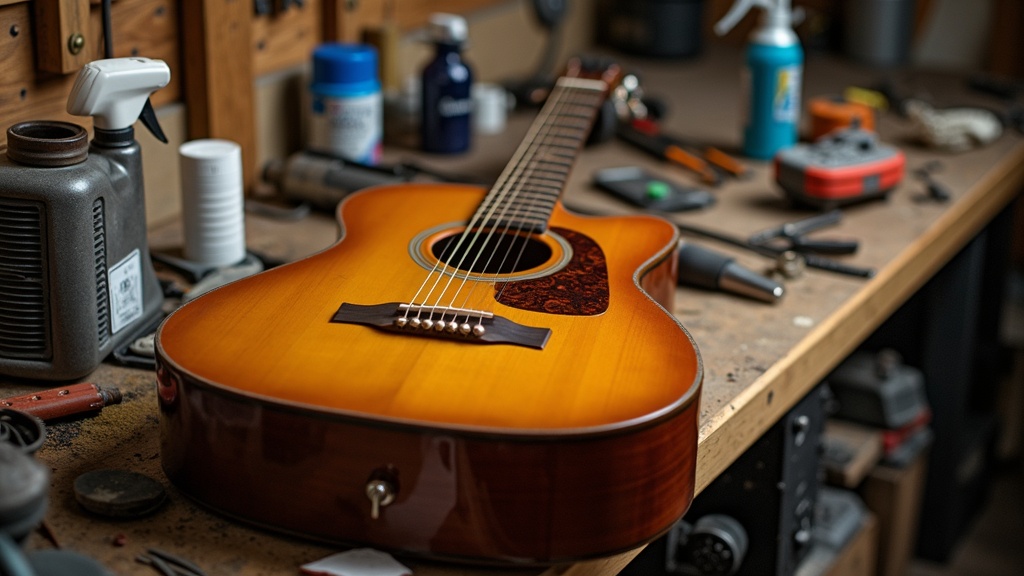
Workshop Name: Fender F-35 Maintenance Workshop
Website URL: Fender.com/workshops/f-35
Typical Price: $50–$200 per session (depends on depth and location)
Lead Instructors: Trained Fender Technicians & Certified Luthiers
Open To: All skill levels, beginners to seasoned players
Average Group Size: 8–20 participants
Community Feedback: 4.9/5 average rating
Support Materials: Takehome guides, video resources, live Q&A
Workshop Duration: 2–5 hours per session
Trust Pilot Consumer Rating: 3.9
Customer Support: 5/5
Ongoing Access: Video replays and downloadable resources available for attendees
Trial Session: Some locations offer free intro clinics. Book a free intro spot here (space is usually limited).
Standing out from your average guitar clinic, Fender’s workshops bring together experienced instructors, modern techniques, and tools you can take home and use. You’ll leave knowing how to handle basic care, troubleshoot sound issues, and keep the unique tone of an F-35 bright and balanced for as long as you own it.
So whether you’re jumping in with little knowledge or already skilled at guitar maintenance, these workshops give you practical steps and confidence to care for your F-35 for years ahead.
Getting to Know Fender’s F-35 Maintenance Workshops
Not long after I got my first Fender acoustic, I realized the user manual just didn’t cut it for bigger issues. Looking for more hands-on guidance, I came across Fender F-35 Maintenance Workshops. These are in-person and online events for anyone wanting to learn how to really care for this specific model.
Fender F-35 workshops run year-round in most larger cities, with online classes popping up on Fender’s website or YouTube channel. The main goal is to walk attendees through both the basics—like routine cleaning and string changes—and more detailed stuff, such as adjusting action or dealing with buzzing frets.
Here’s what you can usually learn during a workshop:
- How to safely clean, polish, and humidify your guitar
- Correct string changes for the F-35 (with hands-on demo)
- Truss rod adjustments and action setup
- Fretboard maintenance and minor repair tips
- How to spot and fix common issues, like buzzing or tuning instability
- Best practices for storing and transporting your F-35
- Q&A with certified Fender luthiers and technicians
Every session I’ve gone to offered a mix of hands-on activities, instructor demonstrations, and open floor questions. It’s relaxed, there’s no pressure, just a lot of enthusiasm and a chance to try things out under expert supervision.
The Instructors: Who’s Teaching These Workshops?
I’ve found that quality instruction makes or breaks a workshop. Fender brings in a mix of in-house technicians, certified luthiers with decades of experience, and sometimes guest craftspeople. These people have repaired hundreds, maybe thousands, of Fenders—including F-35s—and are familiar with all this model’s little quirks.
You’ll get a rundown of the instructor’s qualifications at the beginning of the session. Most are not just skilled at repairs but are also patient, clear teachers. Many hang around after class to answer extra questions or give a closer demo for those interested.
It’s a supportive vibe; no one will rush you or make you feel out of place. Whether you’re asking a basic question about cleaning or want to geek out about string tension, the instructors happily help.
If you prefer specifics and love learning from people with real hands-on experience, these workshops are a solid choice.
What Makes Maintenance for the F-35 Unique?
Compared to many acoustic models, the F-35 has unique features that really benefit from regular, knowledgeable upkeep:
Spruce Top with Rosewood Back and Sides: Gorgeous sound but can lose its sparkle or even crack with neglect or climate swings. The right workshop teaches how to guard against those issues.
BoltOn Neck Construction: Adjusting neck angle or action is different than a setneck; Fender’s techs guide you step by step.
Tone and Resonance Preservation: The F-35 is known for resonance and projection. The wrong cleaners can mess this up. Workshops focus on the right solutions and safe tools.
Vintage Hardware: F-35s (especially older ones) have unique tuners and bridge designs. Instructors show you how to clean and lubricate hardware safely.
Humidity and Storage Tips: These guitars are pretty sensitive to humidity changes. Preventing swelling, warping, or cracking is a big part of the curriculum.
My F-35 tends to react differently than others after a road trip or in the winter, so getting modelfocused advice is a major plus.
Inside a Typical Workshop: What to Expect
Getting into a Fender F-35 Maintenance Workshop is a snap—just check their events calendar, pick your spot, and sign up online. Here’s what usually happens in a session.

1. Welcome and Intro
The session starts with a quick agenda review, meeting the instructors, and running through some safety reminders. Attendees share a bit about their experience level, so everyone gets comfortable right away.
2. Essential Tools and Materials
Fender supplies most tools: cloths, string winders, fretboard oil, polish, nut files, and sometimes clipon tuners or hygrometers. No pressure to buy, but instructors explain what’s genuinely helpful for at-home maintenance.
3. Cleaning and Basic Care Demos
The instructor demonstrates cleaning the F-35’s body, neck, and headstock, then you try it yourself. Cleaning seems basic, but using the wrong cleaner can do real damage.
4. String Changing
This hands-on part is a gamechanger—learn how to remove old strings, wind and stretch new ones, and tune up. The instructor talks through string gauge choices and how they affect feel and tone.
5. Action, Truss Rod & Bridge Adjustments
Great for anyone wanting to dial in playability. You’ll measure action, try gentle truss rod tweaks, and check for fret buzz. The instructor tailors the approach for the F-35, and help is right there if you’re unsure.
6. Fretboard and Fret Care
Learn safe ways to clean and oil your fretboard, check for loose frets, and deal with rough edges. Fender’s team is all about gentle, regular care—not power tools or rough abrasives.
7. Storage, Humidity & Troubleshooting Tips
This part covers long-term problem prevention, catching early signs of warping or cracks, and the right way to store or travel with your guitar.
8. Open Q&A/Networking
Ask anything about maintenance or setup. There’s usually extra time to meet other guitarists and swap tips after the main session.
Every time I leave with practical skills and a new guitar buddy or two—the community part is a big bonus.
Workshop Curriculum: Main Topics and Skills Taught
Each F-35 clinic tackles essential skills, but the details shift based on session length and the group. Here’s a closer look at the topics covered:
- F-35 Anatomy: Spotting wearprone spots, general care focus areas.
- Finishing Products: Picks for body polish and fretboard oil that won’t mess up the finish.
- Humidity Control: Using hygrometers, humidifiers, and cases to guard your guitar all year.
- Truss Rod Basics: Knowing when and how to adjust, and when pro help is needed.
- Bridge and Nut Checks: Watching for lifted bridges, worn nut grooves, or loose bits.
- String Types and Install: Breaking down string brands and gauges, plus stepbystep restringing.
- Electronics Troubleshooting: For F-35s with pickups, how to check battery, wiring, and output jacks.
- DIY vs Pro Help: What you can safely handle, and when to call the luthier.
Attendees get a printed or digital takeaway booklet for hone quick reference, which really helps when you need to do a post-gig clean or string change in a hurry.
Workshop Benefits: Why Bother with Formal F-35 Training?
I’ll admit I once figured YouTube and forums were all I needed. Turns out, live instruction has clear upsides:
- Guided, hands-on help: Mistakes (like overtightening truss rods) are less likely with a pro supervising.
- Model-specific guidance: Most online tips are general, while workshops talk through the unique ins and outs of the F-35.
- Open Q&A: Trainers share all sorts of fixes you won’t find in forum threads.
- Tool sampling: Test tools before buying—I found my favorite fretboard oil this way.
- Confidence boost: Actually doing the work yourself makes guitar upkeep way less stressful.
You’ll also get warranty and hardware coverage answered straight from Fender, steering you to pro help when something’s out of league for a DIY fix.
Choosing the Right Workshop: Types and Levels
Fender has a few styles of F-35 workshops, so you can pick what fits your needs:
- Intro Clinics: For folks who’ve never opened a truss rod cover. Short—about two hours—at a slower pace.
- Intermediate Sessions: Dive deeper into setup, advanced cleaning, minor fretwork, and climate troubleshooting.
- Advanced or Luthier-Led Events: These cover tricky repairs, partial fret jobs, pickup installs, and are typically full-day or longer. Higher cost, much deeper learning.
- Themed Sessions: Specializing in one area: fretboard care, electronics, or dialing in tone for fingerstyle playing, for example.
- Online Clinics: Great if you can’t make an in-person event. Usually free or more affordable, with Q&A and replay access.
If unsure, start with intro or intermediate—you’ll avoid info overload and build confidence for more advanced workshops later.
Tools, Gear, and Takeaways: What’s Included?
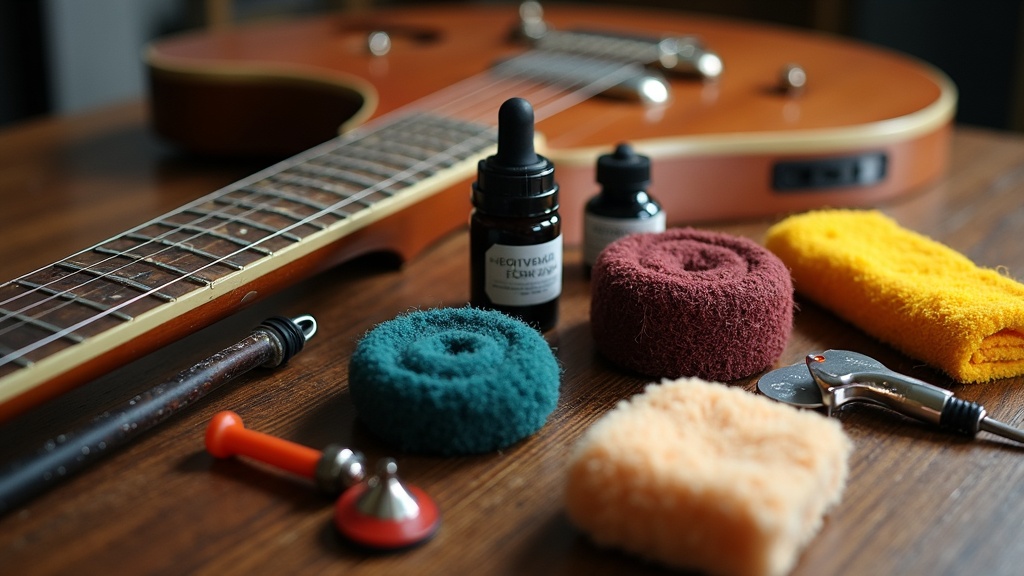
Registration usually comes with some helpful gear, making these workshops a solid value. Here’s what I’ve brought home over several sessions:
- Detailed care booklets for the F-35
- String winding tools and cleaning cloths
- Sample polish and fretboard oil
- Discount codes for Fender’s web store on maintenance products
- Seasonal upkeep checklist
- Priority email/chat for follow-up support
- Links to video replays for later viewing
Some events also toss in a humidifier or clipon tuner, so it’s worth asking when you book. You might get more than you’d expect with admission alone.
What Past Attendees Say: Feedback and Community Vibes
Most attendees are new owners, or intermediate players wanting their first taste of DIY maintenance. I’ve heard these comments a lot:
- “Didn’t expect it to be this fun and welcoming! Learned well beyond setup basics.”
- “Solved an ongoing rattle I’d ignored for months.”
- “Now I’ll try basic repairs myself before running to the shop.”
- “Met fellow F-35 fans—some joined my social jam group.”
The workshop vibe really encourages sharing and troubleshooting together. It’s common to see folks filming parts of the demo so they don’t forget details later.
For me, the biggest takeaway is confidence—those few hours often save people weeks of trial and error, and you leave ready to tackle future issues with less worry.
Online Resources and Ongoing Support
If you can’t make an in-person session, Fender covers attendees with great online tools:
- In-depth care guides and checklists on the Fender Resources page
- Workshop video replays on Fender’s YouTube
- Email newsletters with seasonal tips
- Online chat to get help after class
- Downloadable maintenance logs, helpful for record-keeping or resale
Much of this is open to the public, but attendees get early or bonus access—perfect for watching a demo right before a home setup.
How to Prepare: What to Bring and Expect
If you’re going for the first time, here’s what works best in my experience:
- Bring your own F-35 (most events allow other acoustics too). Some locations have loaners.
- Prepare questions—jot them down so you don’t forget during Q&A.
- Dress casual—things may get a bit messy.
- Bring a notebook or use your phone for quick notes, photos or short clips.
- Show up early for extra instructor time or gear checks.
- Most tools are provided, but bring your favorites if you want expert feedback.
- Stay open-minded; every F-35 is a little different.
I always leave with a new tip that makes future care easier. Snacks or coffee are often on hand, so you can settle in comfortably.
Workshop Pricing and Availability

Prices fluctuate by city, instructor, and level, but here’s the typical breakdown from recent years:
- Intro Clinics: $50–$75 for two hours, all materials provided
- Intermediate Sessions: $80–$120 for three to four hours, includes takehome kit
- Advanced Clinics: $150–$200 for up to 5 hours, covers more advanced techniques and sometimes comes with a premium kit
- Online Workshops: Free to $30, comes with Q&A, downloads, and replays
Most clinics require early booking and fill up quickly—sometimes a month ahead. Occasionally, Fender runs free “open house” clinics at local shops or expos, so check the events page or subscribe to their updates.
Fender’s Take on Aftercare and Ongoing Maintenance
Your F-35’s best sound isn’t just a one-time tuneup. Fender recommends making routine maintenance a regular habit:
- Quarterly deep cleans (new strings, polish, fretboard oil)
- Monthly quick checks (humidity, hardware, tuning stability, fret wear)
- Annual professional setups, especially for frequent performers
The workshops drive home this schedule and give you the tools—and confidence—needed to handle everyday care and spot when to bring in a pro. Keeping a digital maintenance log is another recommended tip: makes life easier if you ever want to sell or trade up your guitar. (I save mine in a Google Sheet for good measure.)
Comparing Fender Workshops: Why Choose Them Over DIY?
I’ve tried my share of YouTube tutorials and forum advice. But these workshops really stand out in a few ways:
- Direct access to Fender techs who know the F-35 inside and out
- Up-to-date guidance, since methods and products keep changing
- Try different tools before investing in your own
- Catch warning signs early, before they become serious issues
- Motivating group environment, more fun than solo learning
- Ongoing support—video replays and instructor Q&A after class
I always blend old-school reading with in-person learning—it helps to have a real person confirm you’re on the right track or show you a shortcut.
Extending Your Skills: Continuing Education Options
Want to keep building your skills? Fender offers some great follow-ons:
- Advanced repair classes: nut work, crack repairs, bracing checks
- Pickup and electronics installs for F-35s with on-board electronics
- Masterclasses with seasoned luthiers—sometimes at partner music shops
- Annual tune-up events for free checkups and minor fixes
- Workshop assistant training for those passionate about giving back
There’s a clear path from casual care to in-depth repairs, even if you start from scratch. It’s satisfying and practical, especially as you become more confident over time.
Is a Fender F-35 Workshop Right for You?
Still wondering if this sort of clinic fits? Here’s a quick list to help decide:
- You’ve relied on shops for small fixes and want to take control of basic care
- Your F-35 is beginning to show wear and you’re unsure how serious it is
- You want to improve playability or dial in tone for your style
- Hands-on learning clicks better for you than reading guides
- You enjoy meeting fellow musicians and swapping ideas
- You appreciate support and follow-ups after a class
If these sound like your needs, I’d say try a workshop. The value is high, the cost is reasonable, and the takeaways last for years.
Booking and Contact Info
Booking is easy—Fender updates their workshop schedule at fender.com/workshops. Just search by city, date, or session type and reserve your spot. Payment is done during sign-up; you’ll get all details in a confirmation email, including what to bring and any special safety info relevant to your area.
Still have questions? Fender’s support team responds fast on their contact page. I’ve always gotten friendly, helpful replies, especially for location or gear-specific questions.

Lots of instructors will also share contacts for quick follow-up—making the network welcoming and practical for everyone in the group.
Wrapping Up: The Long-Term Value of Maintenance Workshops
After years performing, teaching, and noodling around, I can tell you that regular care directly shapes the sound, reliability, and fun of any acoustic guitar—especially one as well made as the Fender F-35. Maintenance workshops aren’t just about cleaning; they help you get a feel for your instrument, spot issues early, and get hands-on enough to handle basic repairs with confidence. The community aspect is a huge boost—I’ve gotten as much from fellow attendees as from the official trainers.
If you care about your guitar lasting, sounding great, and playing easily, these workshops are a great way to grow your skills, connect with other players, and feel more connected to your instrument. The boost in confidence sticks with you every time you pick up your guitar for a jam or gig.
Have more questions or a workshop story to share? Drop a comment or reach out to Fender’s team—there’s always someone happy to help you along your way keeping the F-35 playing beautifully.
PS. Got a tip or workshop moment you think could help others? I love reading them, and so do other players on the lookout for reliable F-35 care advice! If you want to check out even more, Fender’s resources and your local dealer are always great next stops—the help doesn’t stop after class.